11th Book of 2026
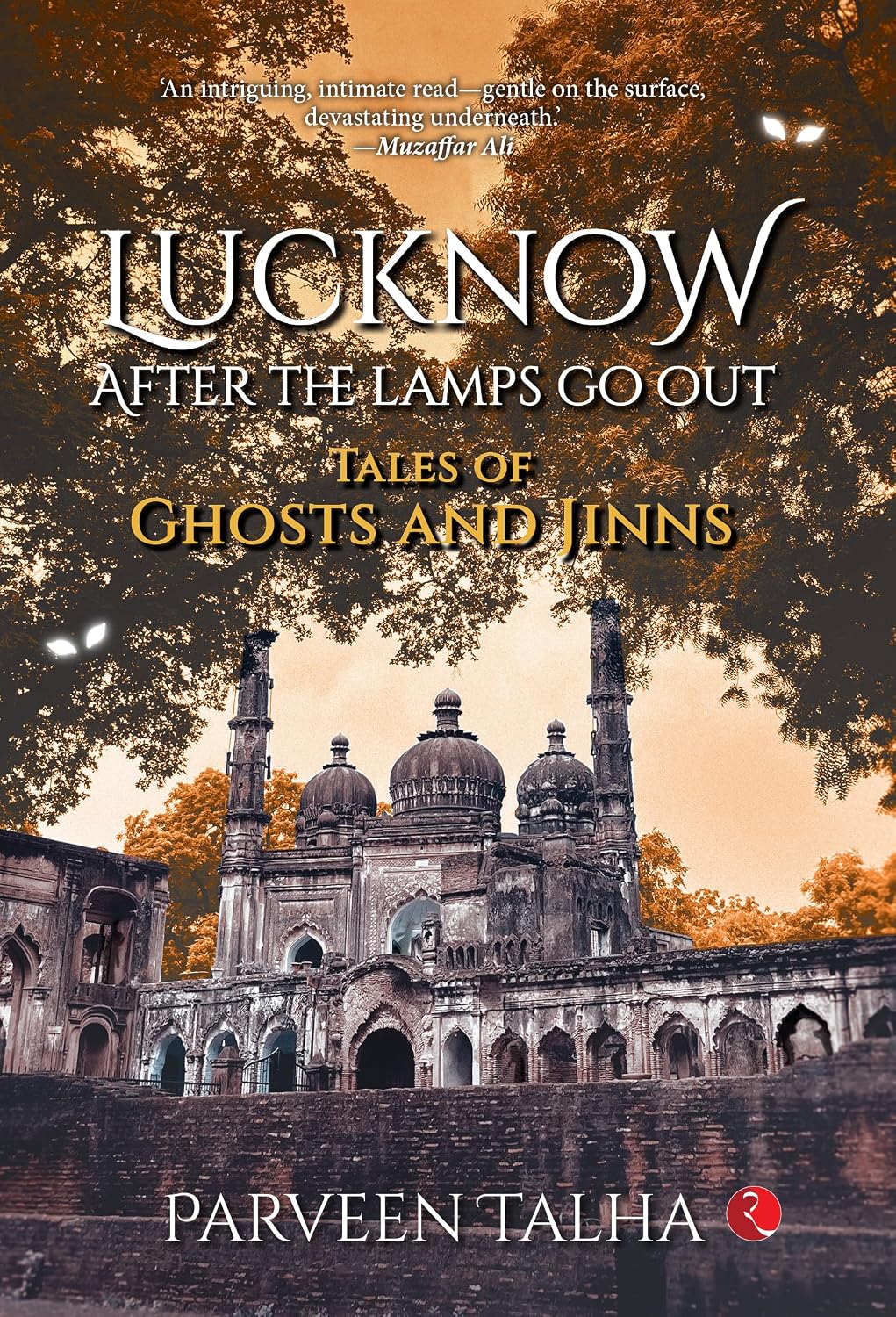
Whenever we hear the words ghost stories, we usually expect haunted mansions, eerie forests, or terrifying supernatural encounters. However, Lucknow, After the Lamps Go Out: Tales of Ghosts and Jinns by Parveen Talha offers something far more fascinating. It is less about frightening the reader and more about introducing them to the rich folklore, forgotten legends, and cultural beliefs that have quietly survived through generations in the City of Nawabs. The book is published by Rupa Publications in around 135 pages only which makes a perfect companion for you on a weekend or travel.
This is not a conventional horror novel. Instead, it is a beautifully woven collection of tales where history, mythology, superstition, faith, and human emotions coexist. As someone who enjoys stories rooted in local culture, I found this approach refreshing. The author doesn't merely narrate ghost stories; she preserves an entire oral tradition that might otherwise disappear with time.
What makes the book particularly engaging is its atmosphere. Lucknow itself becomes a character. Its old lanes, magnificent havelis, forgotten graveyards, ancient mosques, and silent corners provide the perfect backdrop for stories involving mysterious apparitions and elusive jinns. Even if you have never visited the city, the vivid descriptions transport you there, making you feel as though you are listening to these tales from an elderly storyteller on a quiet evening.
One aspect I appreciated throughout the book was the author's balanced narrative. She neither forces the reader to believe in the supernatural nor dismisses these stories as mere fiction. Instead, she presents them with respect, allowing readers to decide for themselves where folklore ends and reality begins. That neutrality adds authenticity to the storytelling.
The stories themselves vary in tone. Some are genuinely eerie, while others are melancholic, mysterious, or even philosophical. There are moments when you expect a shocking revelation, only to find yourself contemplating human fears, loneliness, faith, or destiny instead. This emotional depth prevents the collection from becoming repetitive and keeps the reader invested until the very end.
Parveen Talha's writing deserves special appreciation for its simplicity. Despite dealing with subjects that could easily become overly dramatic, her language remains elegant, measured, and accessible. She doesn't rely on exaggerated horror elements or unnecessary jump scares. Instead, she allows the setting, the characters, and the quiet mystery surrounding each incident to create a lingering sense of unease. That subtlety makes the stories far more effective than loud horror ever could.
The book also offers glimpses into Lucknow's cultural heritage, traditions, and social fabric. Readers unfamiliar with the city's history will appreciate how naturally these details are woven into the narratives without interrupting their flow. In many ways, this book serves as both a collection of supernatural tales and a tribute to the city's timeless charm.
What I particularly enjoyed was that the stories stay with you even after you finish reading. They don't necessarily make you afraid to switch off the lights, but they do make you wonder how many unexplained stories every old city quietly hides within its walls. The author successfully captures that thin line where imagination meets inherited belief.
Having said that, readers expecting fast-paced horror or edge-of-the-seat thrills may find the pace relatively gentle. This is a book best enjoyed slowly, almost like listening to bedtime stories narrated by someone who genuinely believes every word they are saying. The charm lies in its storytelling rather than its scares.
Overall, Lucknow, After the Lamps Go Out is an absorbing blend of folklore, history, mystery, and culture. It reminds us that every city has stories that never make it into history books but continue to live in whispers, legends, and memories passed from one generation to another. Parveen Talha has done a commendable job of preserving those whispers in written form.
If you appreciate regional folklore, atmospheric storytelling, and books that celebrate India's cultural heritage through unusual narratives, this collection deserves your attention. It is a gentle reminder that sometimes the most memorable ghost stories are not the ones that terrify us, but the ones that make us look at familiar places with completely new eyes. I really liked how few stories tells about these super natural elements providing justice to the human beings who didn’t get it otherwise. Overall, this was definitely a unique read. I would give this book 4 stars out of 5.
Thanks!
WRITING BUDDHA

